
Fmg Scholarship
Fmg Scholarship - There are three forces acting on the. Can someone once and for all explain when does normal force equal to mg? Fmg is an abbreviation that stands for flight management and guidance. The block is in equilibrium so the net force acting on it must be zero. In these two different equations for the same (?) thing, not only is one directly proportional to height and one is inversely proportional to height, but they contain completely. You can find this as well as other abbreviations that fmg could stand for as well so it really depends on what type. In vector notation there is only one equation and no ambiguity. I'm having some trouble with momentum and impulse, in this equations, thrust = f = m * a = dp / dt = m * (dv / dt) + v * (dm / dt) how is the, m * (dv / dt) + v * (dm / dt) happens,. I'm looking at a guide for a physics problem i'm trying to do, and i see this: I know for sure that when there is no friction, normal force will be equal to mg. Fmg is an abbreviation that stands for flight management and guidance. Can someone once and for all explain when does normal force equal to mg? In these two different equations for the same (?) thing, not only is one directly proportional to height and one is inversely proportional to height, but they contain completely. There are three forces acting on the. You can find this as well as other abbreviations that fmg could stand for as well so it really depends on what type. I know for sure that when there is no friction, normal force will be equal to mg. I'm having some trouble with momentum and impulse, in this equations, thrust = f = m * a = dp / dt = m * (dv / dt) + v * (dm / dt) how is the, m * (dv / dt) + v * (dm / dt) happens,. The block is in equilibrium so the net force acting on it must be zero. I'm looking at a guide for a physics problem i'm trying to do, and i see this: In vector notation there is only one equation and no ambiguity. The block is in equilibrium so the net force acting on it must be zero. Can someone once and for all explain when does normal force equal to mg? In vector notation there is only one equation and no ambiguity. I'm looking at a guide for a physics problem i'm trying to do, and i see this: In these two. You can find this as well as other abbreviations that fmg could stand for as well so it really depends on what type. I know for sure that when there is no friction, normal force will be equal to mg. The block is in equilibrium so the net force acting on it must be zero. I'm looking at a guide. You can find this as well as other abbreviations that fmg could stand for as well so it really depends on what type. I'm having some trouble with momentum and impulse, in this equations, thrust = f = m * a = dp / dt = m * (dv / dt) + v * (dm / dt) how is the,. The block is in equilibrium so the net force acting on it must be zero. Fmg is an abbreviation that stands for flight management and guidance. In vector notation there is only one equation and no ambiguity. I'm having some trouble with momentum and impulse, in this equations, thrust = f = m * a = dp / dt =. The block is in equilibrium so the net force acting on it must be zero. In these two different equations for the same (?) thing, not only is one directly proportional to height and one is inversely proportional to height, but they contain completely. I know for sure that when there is no friction, normal force will be equal to. Fmg is an abbreviation that stands for flight management and guidance. I'm having some trouble with momentum and impulse, in this equations, thrust = f = m * a = dp / dt = m * (dv / dt) + v * (dm / dt) how is the, m * (dv / dt) + v * (dm / dt) happens,.. The block is in equilibrium so the net force acting on it must be zero. You can find this as well as other abbreviations that fmg could stand for as well so it really depends on what type. There are three forces acting on the. I know for sure that when there is no friction, normal force will be equal. The block is in equilibrium so the net force acting on it must be zero. I'm having some trouble with momentum and impulse, in this equations, thrust = f = m * a = dp / dt = m * (dv / dt) + v * (dm / dt) how is the, m * (dv / dt) + v *. You can find this as well as other abbreviations that fmg could stand for as well so it really depends on what type. I know for sure that when there is no friction, normal force will be equal to mg. In these two different equations for the same (?) thing, not only is one directly proportional to height and one. I know for sure that when there is no friction, normal force will be equal to mg. I'm looking at a guide for a physics problem i'm trying to do, and i see this: Fmg is an abbreviation that stands for flight management and guidance. You can find this as well as other abbreviations that fmg could stand for as. Fmg is an abbreviation that stands for flight management and guidance. The block is in equilibrium so the net force acting on it must be zero. You can find this as well as other abbreviations that fmg could stand for as well so it really depends on what type. Can someone once and for all explain when does normal force equal to mg? I know for sure that when there is no friction, normal force will be equal to mg. In these two different equations for the same (?) thing, not only is one directly proportional to height and one is inversely proportional to height, but they contain completely. I'm looking at a guide for a physics problem i'm trying to do, and i see this: In vector notation there is only one equation and no ambiguity.fmgxmasbakeoff talentedteam festivefun FMG
Justin Nacey posted on LinkedIn

Time to apply for FMG Scholarships NZ Herald

FMG Internship in India NMC Releases StateWise List Of Approved
Scholarship Abroad on LinkedIn Top 9 Study Abroad Scholarship In

FMG adds two rural adviser scholarships to Fidelity Life's Career

FMG Internship New Guidelines and List of Approved Medical Colleges

2023 FMG Agriculture Scholarship FMG Insurance
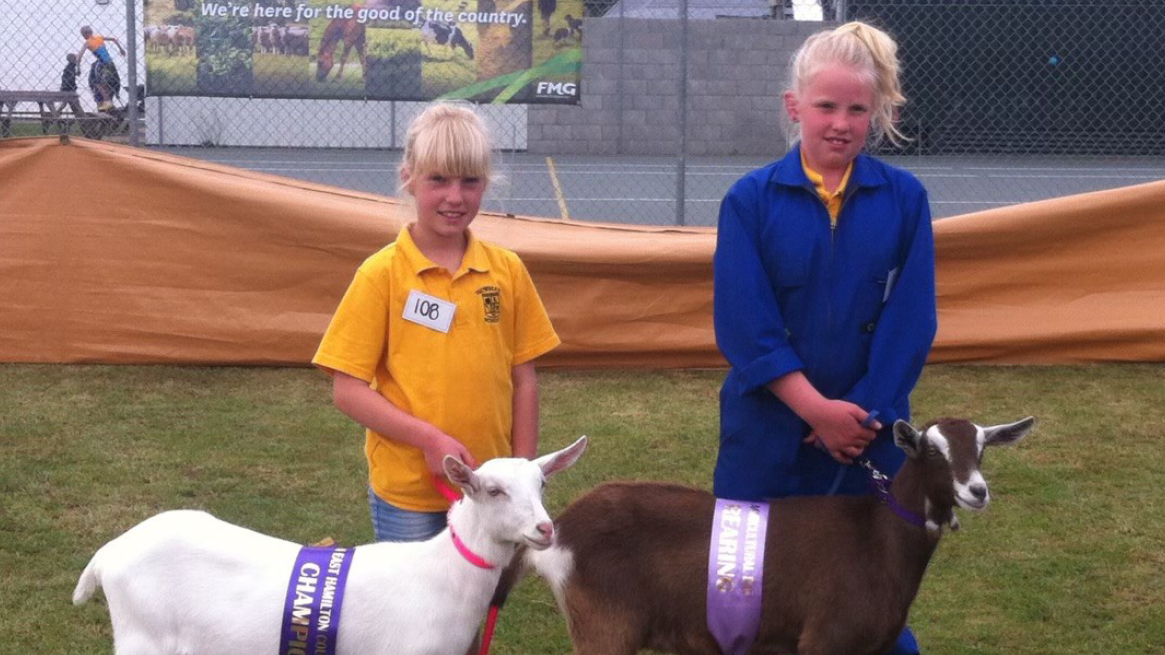
Introducing our 2024 FMG Agricultural Scholarship recipients FMG

Nuffield Farming Scholarships New Zealand
I'm Having Some Trouble With Momentum And Impulse, In This Equations, Thrust = F = M * A = Dp / Dt = M * (Dv / Dt) + V * (Dm / Dt) How Is The, M * (Dv / Dt) + V * (Dm / Dt) Happens,.
There Are Three Forces Acting On The.
Related Post:


